
Shepard Fairey
American contemporary artist, activist, and founder of OBEY Clothing.

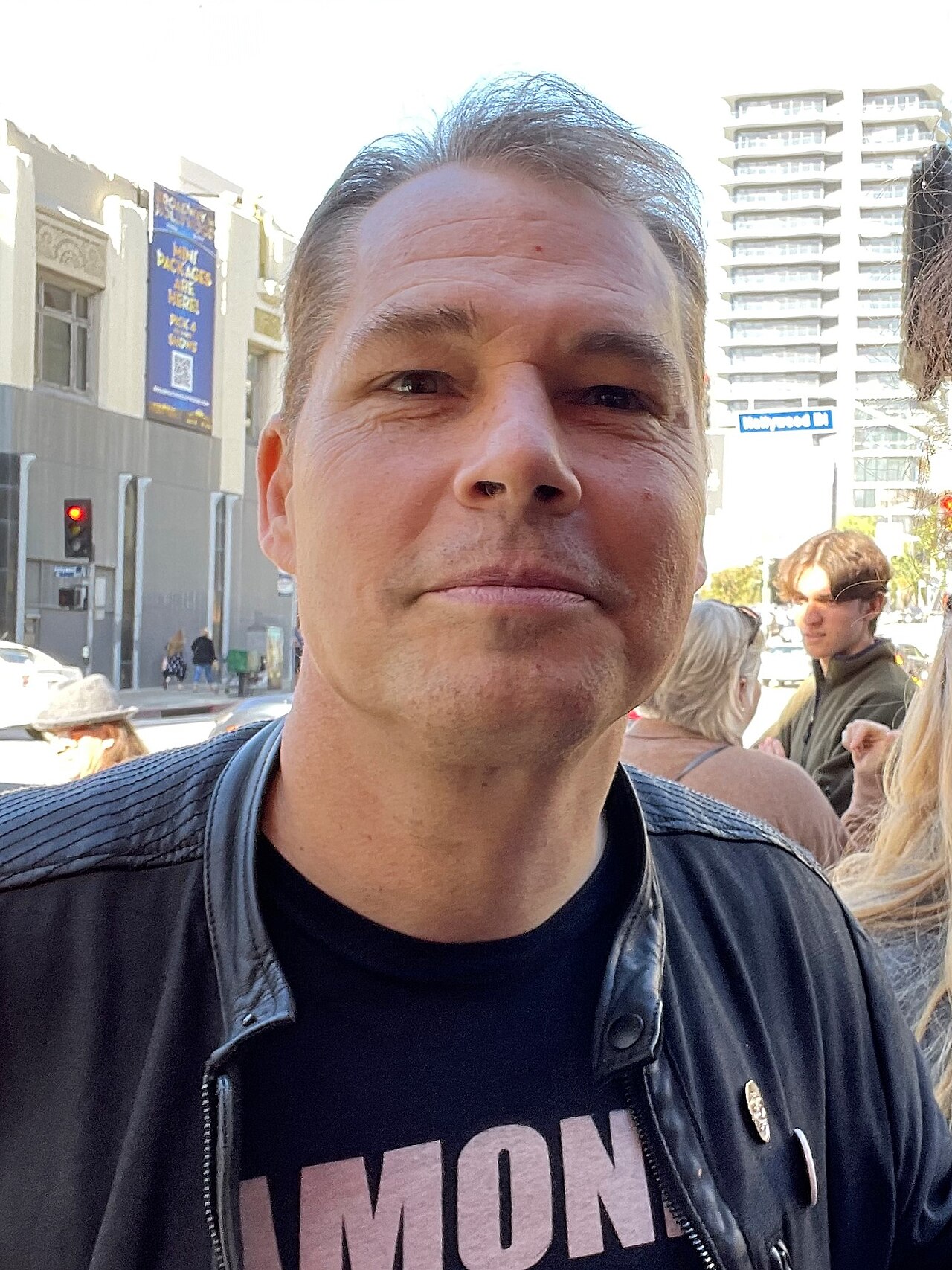
Bobak Ha'Eri · CC BY 3.0
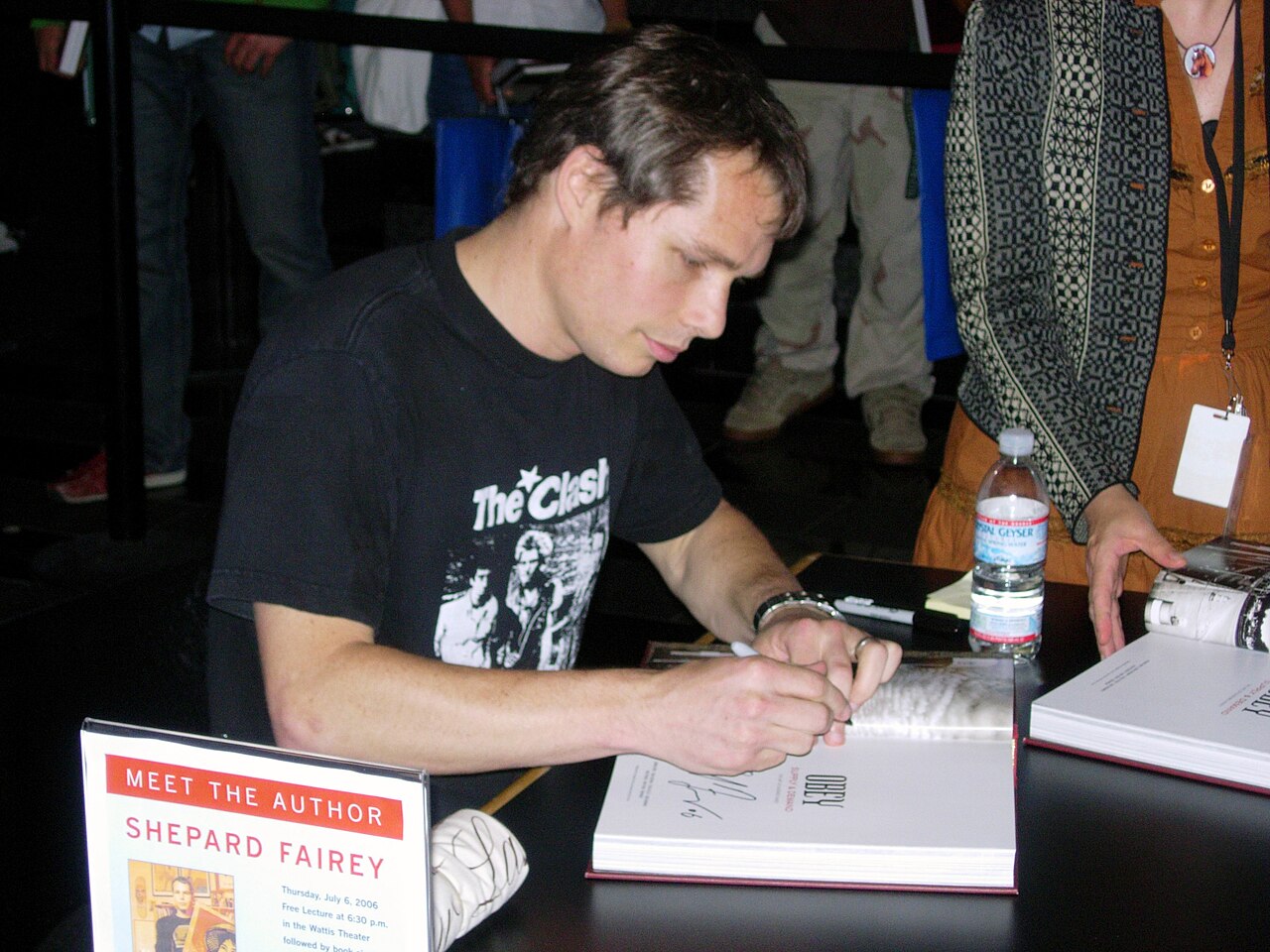
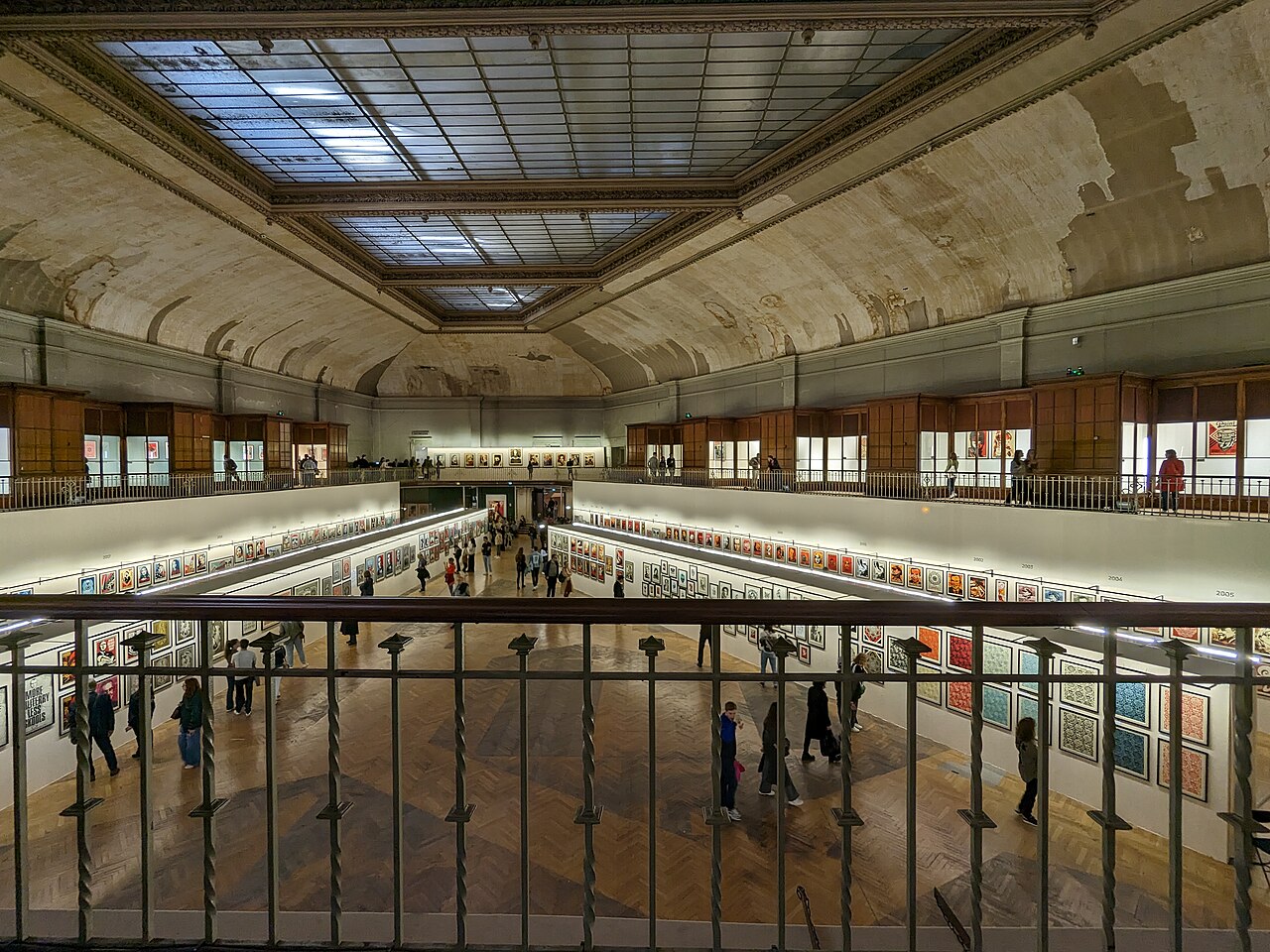
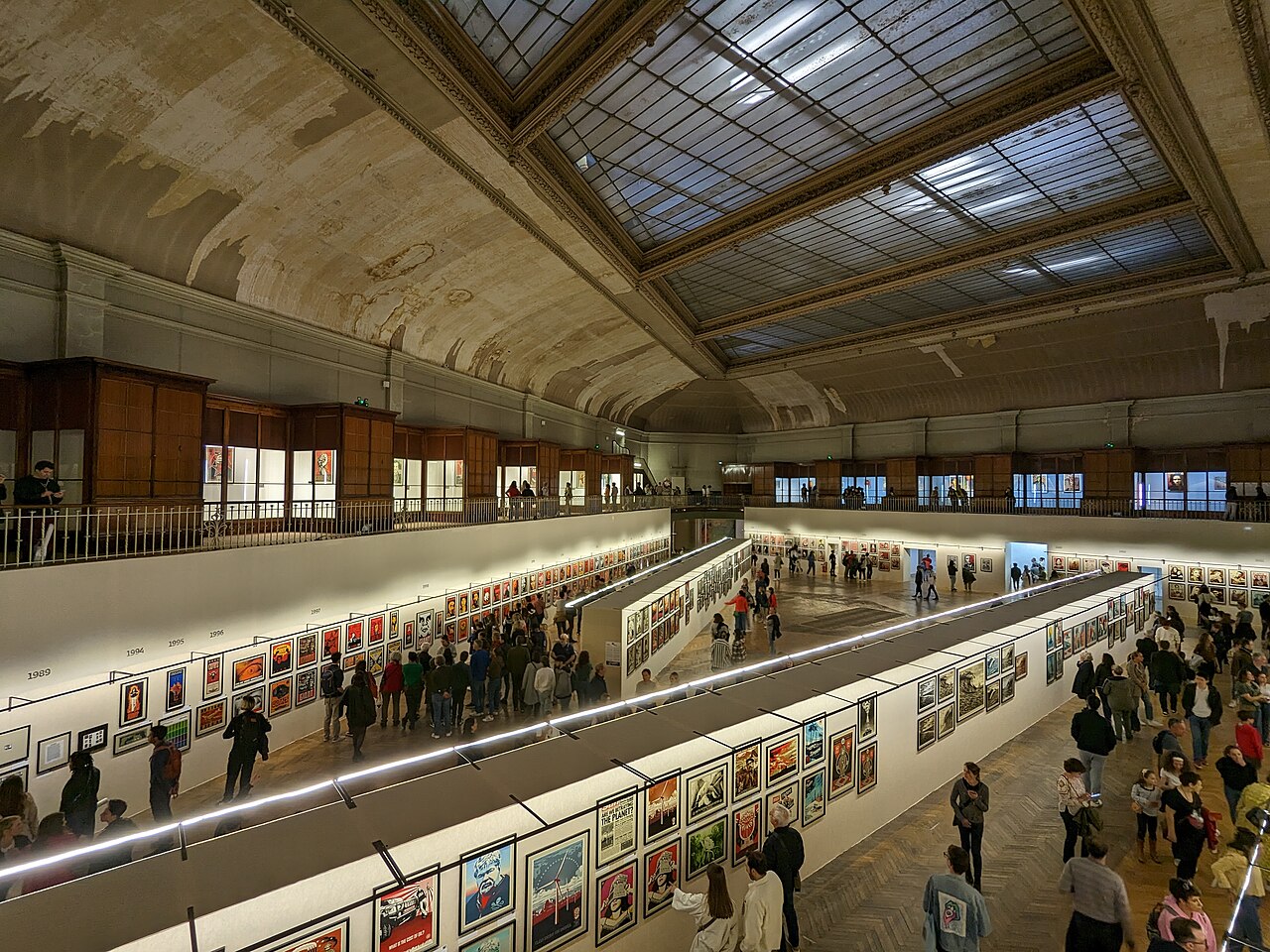
Shepard Fairey (born February 15, 1970) is an American contemporary artist, activist, and founder of OBEY Clothing who emerged from the skateboarding scene. In 1989, he designed the "Andre the Giant Has a Posse" (...OBEY...) sticker campaign while attending the Rhode Island School of Design (RISD). Fairey designed the Barack Obama "Hope" poster for the 2008 U.S. presidential election. The Institute of Contemporary Art, Boston, has described him as one of the best known and most influential street artists. His work is included in the collections at The Smithsonian; the Los Angeles County Museum of Art; the Museum of Modern Art in New York City; the Museum of Contemporary Art San Diego; the National Portrait Gallery in Washington, D.C.; the Virginia Museum of Fine Arts in Richmond; and the Victoria and Albert Museum in London. His style has been described as a "bold iconic style that is based on styling and idealizing images."
- born
- February 15, 1970
- field
- Contemporary artist, activist
- nationality
- American
- known_for
- OBEY sticker campaign, Barack Obama 'Hope' poster
Verified Timeline
Lore & Background
Shepard Fairey was born and raised in Charleston, South Carolina. His father, Strait Fairey, is a doctor, and his mother, Charlotte, a realtor. He attended Porter-Gaud School in Charleston and transferred to high school at Idyllwild Arts Academy in Idyllwild, California, from which he graduated in 1988. Fairey became involved with art in 1984, when he started to place his drawings on skateboards and T-shirts. He moved to Rhode Island in 1988 to attend the Rhode Island School of Design (RISD). In 1992, he earned a Bachelor of Fine Arts degree in Illustration from RISD. Fairey first created the "Andre the Giant Has a Posse" image in 1989, while attending RISD. In 2008 Fairey commented that: "The Andre the Giant sticker was just a spontaneous, happy accident. I was teaching a friend how to make stencils in the summer of 1989, and I looked for a picture to use in the newspaper, and there just happened to be an ad for wrestling with André the Giant and I told him that he should make a stencil of it. He said 'Nah, I’m not making a stencil of that, that’s stupid!' but I thought it was funny so I made the stencil and I made a few stickers and the group of guys I was hanging out with always called each other The Posse, so it said Andre the Giant Has a Posse, and it was sort of appropriated from hip-hop slang – Public Enemy, N.W.A and Ice-T were all using the word." In 1996, Fairey altered the image of André the Giant and changed the text to read OBEY, which Fairey has described as being a "transition ...into something that had more of an Orwellian connotation." After graduation, he founded a small printing business in Providence, Rhode Island, called Alternate Graphics, specializing in T-shirt and sticker silkscreens. While residing in Providence in 1994, Fairey met American filmmaker Helen Stickler, who had also attended RISD and graduated with a film degree. The following spring, Stickler completed a short documentary film about Shepard and his work, titled "Andre the Giant Has a Posse." The film premiered in the 1995 New York Underground Film Festival and went on to play at the 1997 Sundance Film Festival. It has been seen in more than 70 festivals and museums internationally. Fairey was a founding partner, along with Dave Kinsey and Phillip DeWolff, of the design studio BLK/MRKT Inc. from 1997 to 2003, which specialized in guerrilla marketing. Clients included Pepsi, Hasbro and Netscape for whom Fairey designed the red dinosaur version of mozilla.org's logo and mascot. In 2003, he founded the Studio Number One design agency with his wife, Amanda Fairey. The agency produced the cover work for The Black Eyed Peas' album Monkey Business and the poster for the film Walk the Line. Fairey has also designed the covers for The Smashing Pumpkins' album Zeitgeist, Flogging Molly's CD/DVD Whiskey on a Sunday, Led Zeppelin's compilation Mothership and movie Celebration Day, and Anthrax's The Greater Of Two Evils. In 2004, Fairey joined artists Robbie Conal and Mear One to create a series of "anti-war, anti-Bush" posters for a street art campaign called "Be the Revolution" for the art collective "Post Gen." Fairey also co-founded Swindle Magazine along with Roger Gastman. In 2006, Fairey joined NYC based Ad agency Project 2050 as founding Creative Director and was featured on the cover of Advertising Age magazine. While at Project 2050, Shepard developed creative work for Virgin Mega Store and Boost Mobile. In June 2007, Fairey opened his one-man show titled "E Pluribus Venom" at the Jonathan LeVine Gallery. The show made the arts section front page in the New York Times. Fairey was arrested on February 7, 2009, on his way to the premiere of his show at the Institute of Contemporary Art in Boston, Massachusetts, on two outstanding warrants related to graffiti. He was charged with damage to property for having postered two Boston area locations.
Reader's Guide
Shepard Fairey's significance is rooted in his "OBEY Giant" sticker campaign, which began in 1989 as a spontaneous stencil of André the Giant and evolved into a global phenomenon. The image, altered in 1996 to read "OBEY," was intended to inspire curiosity and cause people to question their relationship with their surroundings. According to the Obey Giant website, "The sticker has no meaning but exists only to cause people to react, to contemplate and search for meaning in the sticker." Fairey's Barack Obama "Hope" poster for the 2008 U.S. presidential election became an iconic political image. His style has been described as a "bold iconic style that is based on styling and idealizing images." Fairey's work is included in major museum collections including The Smithsonian, the Museum of Modern Art in New York City, and the Victoria and Albert Museum in London. He has also designed album covers for The Smashing Pumpkins, Led Zeppelin, and Anthrax, and created posters for the film Walk the Line. Fairey co-founded Swindle Magazine and served as founding Creative Director of Project 2050. His work has been exhibited internationally, including a one-man show at the Jonathan LeVine Gallery in 2007 that made the front page of the New York Times arts section.
Did You Know?
- Fairey first created the "Andre the Giant Has a Posse" image in 1989 while teaching a friend how to make stencils, using a newspaper ad for wrestling with André the Giant.
- The "OBEY" slogan was borrowed from the John Carpenter movie They Live, which starred pro wrestler Roddy Piper.
- Fairey designed the red dinosaur version of mozilla.org's logo and mascot for Netscape while at BLK/MRKT Inc.
- Fairey was arrested on February 7, 2009, on his way to the premiere of his show at the Institute of Contemporary Art in Boston, on two outstanding warrants related to graffiti.
- Fairey's short documentary film "Andre the Giant Has a Posse" premiered at the 1995 New York Underground Film Festival and played at the 1997 Sundance Film Festival.
Gallery
Frequently Asked Questions
Who is Shepard Fairey?
Shepard Fairey is an American contemporary artist and activist born on February 15, 1970, who rose to prominence out of the skateboarding subculture. He is the founder of the OBEY brand and is widely recognized for blending street art, political messaging, and commercial design.
What is the OBEY sticker campaign?
Fairey's OBEY campaign began with hand-plastered stickers featuring a stylized image of Andre the Giant, originally reading 'Andre the Giant Has a Posse' before being altered to simply 'OBEY.' This guerrilla street-art project became the seed from which his entire brand and artistic identity grew.
What is Shepard Fairey's Obama 'Hope' poster?
Fairey designed the bold, high-contrast portrait of Barack Obama that served as a central visual for the 2008 U.S. presidential campaign. The image became one of the most instantly recognizable pieces of political artwork of that election cycle and cemented Fairey's name in mainstream culture.
What is OBEY Clothing?
OBEY is the apparel and lifestyle company Fairey founded, drawing directly on his street-art practice and roots in skateboarding. The brand extends his visual language—bold graphics, screen-printed designs, and activist messaging—into wearable products and retail spaces.
Why is Shepard Fairey considered important in contemporary art?
The Institute of Contemporary Art in Boston has singled him out as one of the best-known and most influential street artists working today. His career demonstrates how a single visual identity can cross from underground sticker culture into national political imagery and global fashion without losing its confrontational edge.
More in Modern & Contemporary Artists 25-29
Elsewhere in the Modern & Contemporary Artists universe
Spotted an error? Know more?
This is a living reference — every entry is fact-audited, and reader corrections feed straight into our audit queue. Suggest an edit · See this site's audit record