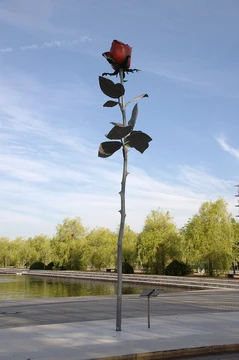
Claes Oldenburg
Swedish-born American sculptor of oversized everyday objects.

via Wikipedia: Claes Oldenburg · see source
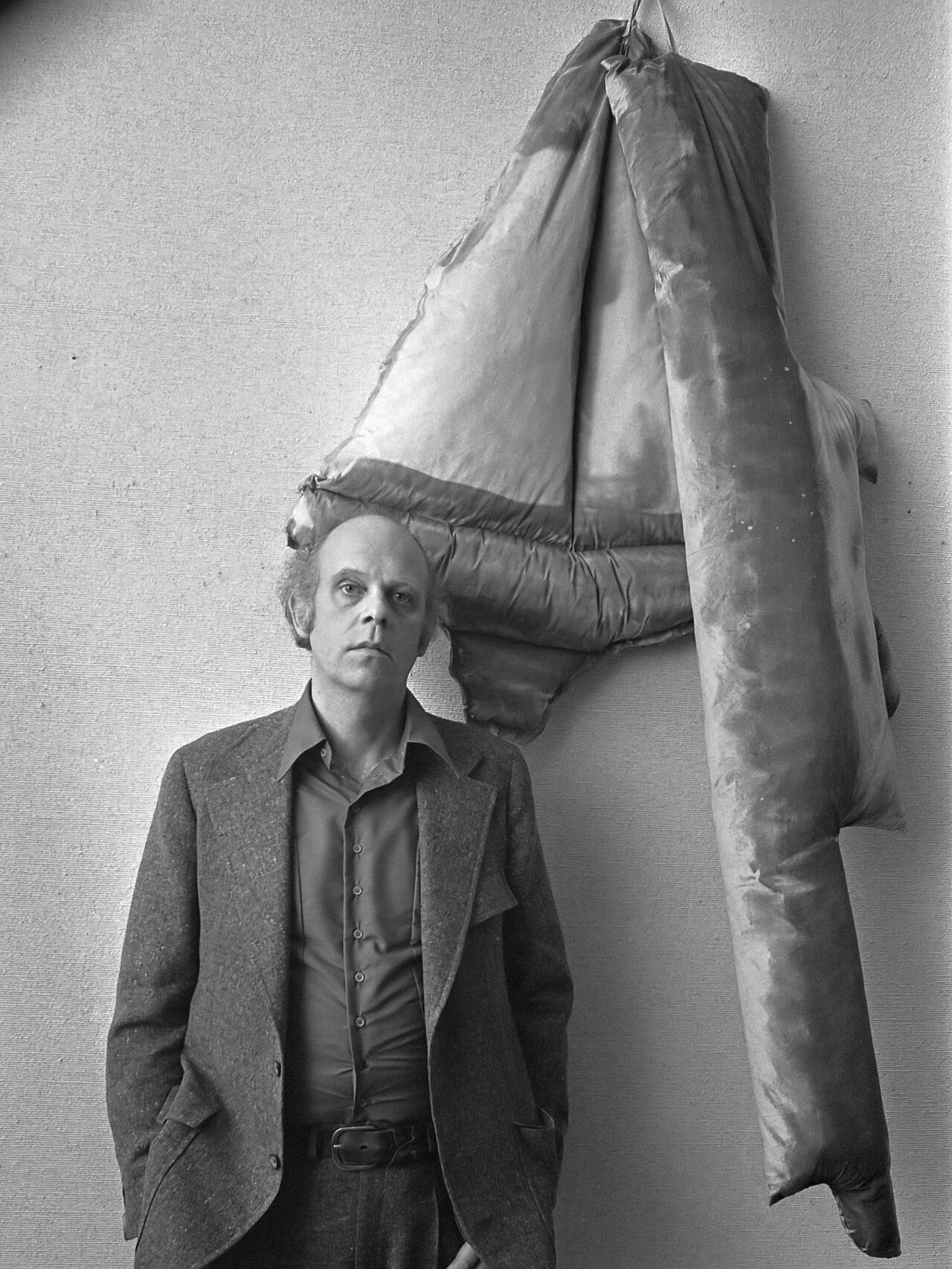
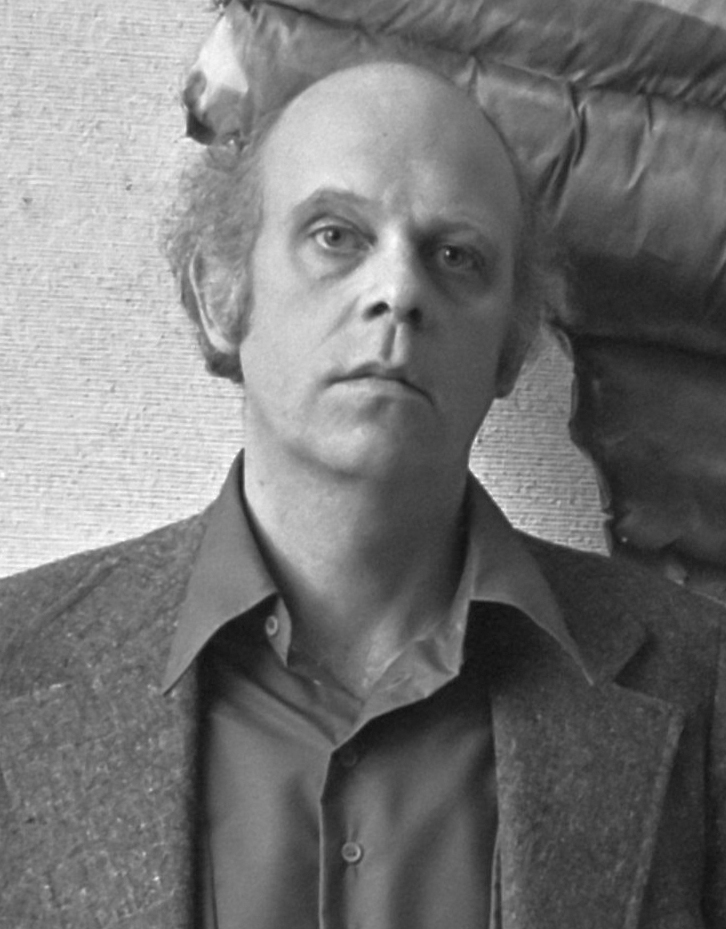
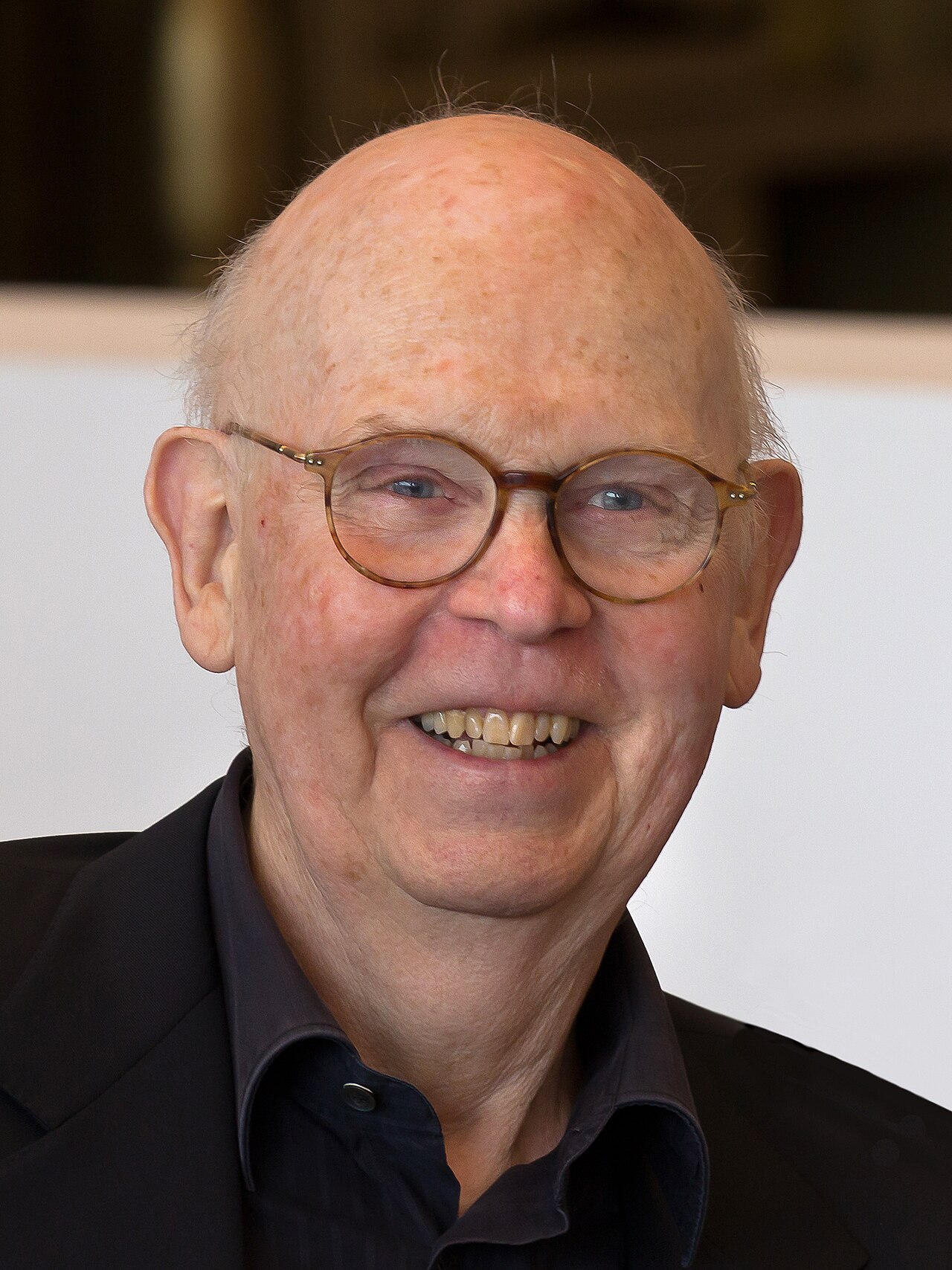
Claes Oldenburg was a Swedish-born American sculptor best known for his public art installations featuring large replicas of everyday objects, as well as soft sculpture versions of those objects. Many of his works were made in collaboration with his wife, Coosje van Bruggen. Oldenburg lived and worked in New York City.
- born
- January 28, 1929
- died
- July 18, 2022
- field
- Sculpture, public art
- nationality
- Swedish-born American
- known_for
- Large-scale replicas of everyday objects, soft sculpture
Verified Timeline
Lore & Background
Claes Oldenburg was born on January 28, 1929, in Stockholm, the son of Swedish diplomat Gösta Oldenburg and Sigrid Elisabeth née Lindforss. He grew up in Chicago, attended the Latin School of Chicago, studied literature and art history at Yale University from 1946 to 1950, then took classes at the School of the Art Institute of Chicago. He worked as a reporter at the City News Bureau of Chicago and opened his own studio, becoming a naturalized U.S. citizen in 1953. In 1956, he moved to New York, working at the Cooper Union Museum library while learning art history on his own. His first recorded sales were at the 57th Street Art Fair in Chicago, where he sold five items for $25. He began experimenting with soft sculpture in 1957, creating a piece from a woman's stocking stuffed with newspaper, now called Sausage. By 1960, he made sculptures from cardboard, burlap, and newspapers; in 1961, he shifted to chicken wire covered with plaster-soaked canvas and enamel paint. His first show with three-dimensional works was in May 1959 at the Judson Gallery. In the 1960s, he became associated with pop art and created happenings under the name 'Ray Gun Theater.' His first wife, Patty Mucha, sewed many early soft sculptures and performed in his happenings. In December 1961, he rented a store on Manhattan's Lower East Side for 'The Store,' an installation of consumer-good sculptures. From the early 1970s, Oldenburg concentrated on public commissions. His first public work, Three-Way Plug, came from Oberlin College with a grant from the National Endowment for the Arts. He collaborated with Coosje van Bruggen from 1976, marrying her in 1977; they developed over 40 public pieces. Notable works include Spoonbridge and Cherry (1988) for the Walker Art Center, Typewriter Eraser, Scale X (1999) at the National Gallery of Art, and Free Stamp in Cleveland. They collaborated with architect Frank Gehry on Toppling Ladder With Spilling Paint (1986) and Giant Binoculars (1991). Oldenburg lived and worked in New York City until his death on July 18, 2022.
Reader's Guide
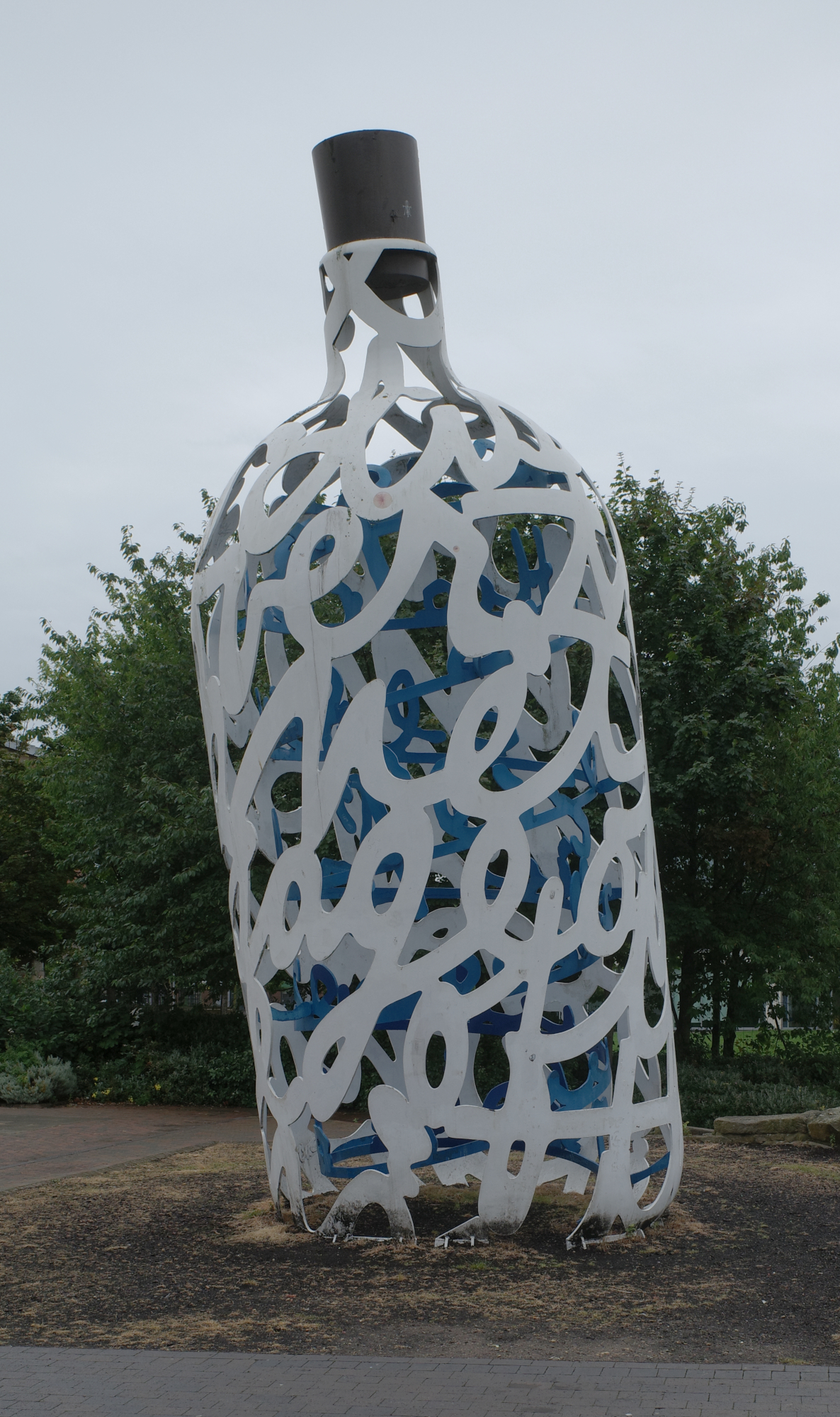
Claes Oldenburg's significance lies in his transformation of everyday objects into large-scale public art, challenging traditional sculpture. His brash, humorous approach was at odds with the prevailing abstract expressionist sensibility. By creating oversized replicas—like a spoon with a cherry, a typewriter eraser, or a paintbrush—he made art accessible. His soft sculptures, such as the early Sausage, introduced new materiality. His collaboration with Coosje van Bruggen from 1976 produced over 40 large-scale projects, including Spoonbridge and Cherry and Free Stamp. These works often elicited ridicule before acceptance; for example, the 1969 Lipstick (Ascending) on Caterpillar Tracks was removed from its original place at Yale and 'circulated on a loan basis to other campuses.' Oldenburg's work also includes performance art: he staged happenings under 'Ray Gun Theater' with colleagues like Lucas Samaras, Tom Wesselmann, and Carolee Schneemann. His first one-man show was in 1959 at the Judson Gallery, and he was honored with solo exhibitions at the Moderna Museet (1966), Museum of Modern Art (1969), and Tate Gallery (1970). A retrospective was organized by Germano Celant at the Solomon R. Guggenheim Museum in 1995. His legacy includes not only public sculptures but also influence on pop art and performance art.
Did You Know?
- Oldenburg's first recorded sales were at the 57th Street Art Fair in Chicago, where he sold five items for a total of $25.
- He began experimenting with soft sculpture in 1957, creating a piece from a woman's stocking stuffed with newspaper, now called Sausage.
- In 1969, Oldenburg contributed a drawing to the Moon Museum.
- His 1969 sculpture Lipstick (Ascending) on Caterpillar Tracks was removed from its original place at Yale University and 'circulated on a loan basis to other campuses.'
- Oldenburg and van Bruggen's collaboration with architect Frank Gehry included a return to performance with Il Corso del Coltello in Venice, Italy, in 1985.
Gallery
More in Modern & Contemporary Artists 1-24
Elsewhere in the Modern & Contemporary Artists universe
Spotted an error? Know more?
This is a living reference — every entry is fact-audited, and reader corrections feed straight into our audit queue. Suggest an edit · See this site's audit record